
druktest

When a system is under pressure, you need to be able to rely on every connection, valve, and pipeline. A pressure test by ITIS provides that assurance. We subject your components to controlled liquid or gas pressure—ranging from operating conditions to extreme limits—to precisely verify their strength, safety, and leak-tightness.

Whether it concerns a hydrostatic test, a pneumatic test, or a burst test, we test according to international standards. We provide fully traceable results and can perform work under ISO 17025 accreditation where necessary. This ensures you know exactly what to expect in advance, preventing costly surprises down the line.

Want to ensure your pressure equipment can withstand operational demands? Discover what a professional pressure test can do for you.

Need a pressure test carried out?

Do you have questions or would you like to arrange a pressure test? Contact us directly – we are happy to help!

Ask IRIS

Do you have questions about a pressure test?

Do you have questions about a pressure test? There is no need to call anymore. With our digital specialist ‘IRIS’ you can get an immediate answer to any question you may have about this test. From general information to specific details, simply type in your question and receive a clear and relevant answer right away. For example, you can ask about:

  • Test options and specifications
  • Certifications and standards

Do you have questions about a pressure test? Ask IRIS directly.

What is a pressure test?

A pressure test is a controlled examination in which components and systems – such as valves, pipes, pressure vessels or assemblies – are pressurised with liquid or gas. The goal is to demonstrate that the object is mechanically strong enough and sufficiently tight in practice under operating or elevated pressure, without failure or visible leakage. It concerns strength and pressure-tightness tests, not fine leak tests with helium or mass spectrometers.

Added value of a pressure test

In sectors such as oil and gas, (petro)chemicals, energy, offshore, machine building and mobility, failure of pressure-retaining parts can lead to leaks, production downtime and loss, environmental damage and serious safety risks. A proper pressure test helps to:

  • Simulate realistic or elevated pressure conditions, up to around 3000 bar.
  • Detect weak spots, assembly errors and visible leaks in time.
  • Verify that the design meets the required safety margins (for example via burst tests on prototypes).
  • Comply with legislation and both international and national standards.
  • Safeguard the safety, reliability and expected service life of pressure equipment.
  • Select the right test method (water, gas, burst test) based on risk analysis and specifications.

Which international standards apply?

ITIS performs pressure tests according to customer specifications and widely used international guidelines for liquid and gas pressure testing. Examples of frequently requested standards and frameworks include:

  • ISO 13445 – pressure vessels, verification of strength and reliability with liquid and gas pressure tests.
  • ISO 9809 – steel gas cylinders, hydrostatic and gas pressure tests.
  • ISO 14245 & API 598 – valve testing for sealing performance with liquid and gas.
  • ISO 5208 – pressure testing of valves according to standardised procedures.
  • ASME B31.3 – process piping, requirements for pressure testing of piping systems.
  • BS 6364 – test methods for valves, hydrostatic and gas.
  • PED 2014/68/EU – European Pressure Equipment Directive, conformity verification with pressure tests.

The different types of pressure tests ITIS performs for you

Depending on the standard, application and risk profile, we can carry out pressure tests such as:

  • Hydro tests with water for strength and visible tightness at elevated pressure.
  • Pneumatic pressure tests with gas (e.g. air or nitrogen) when water is not desired in the system.
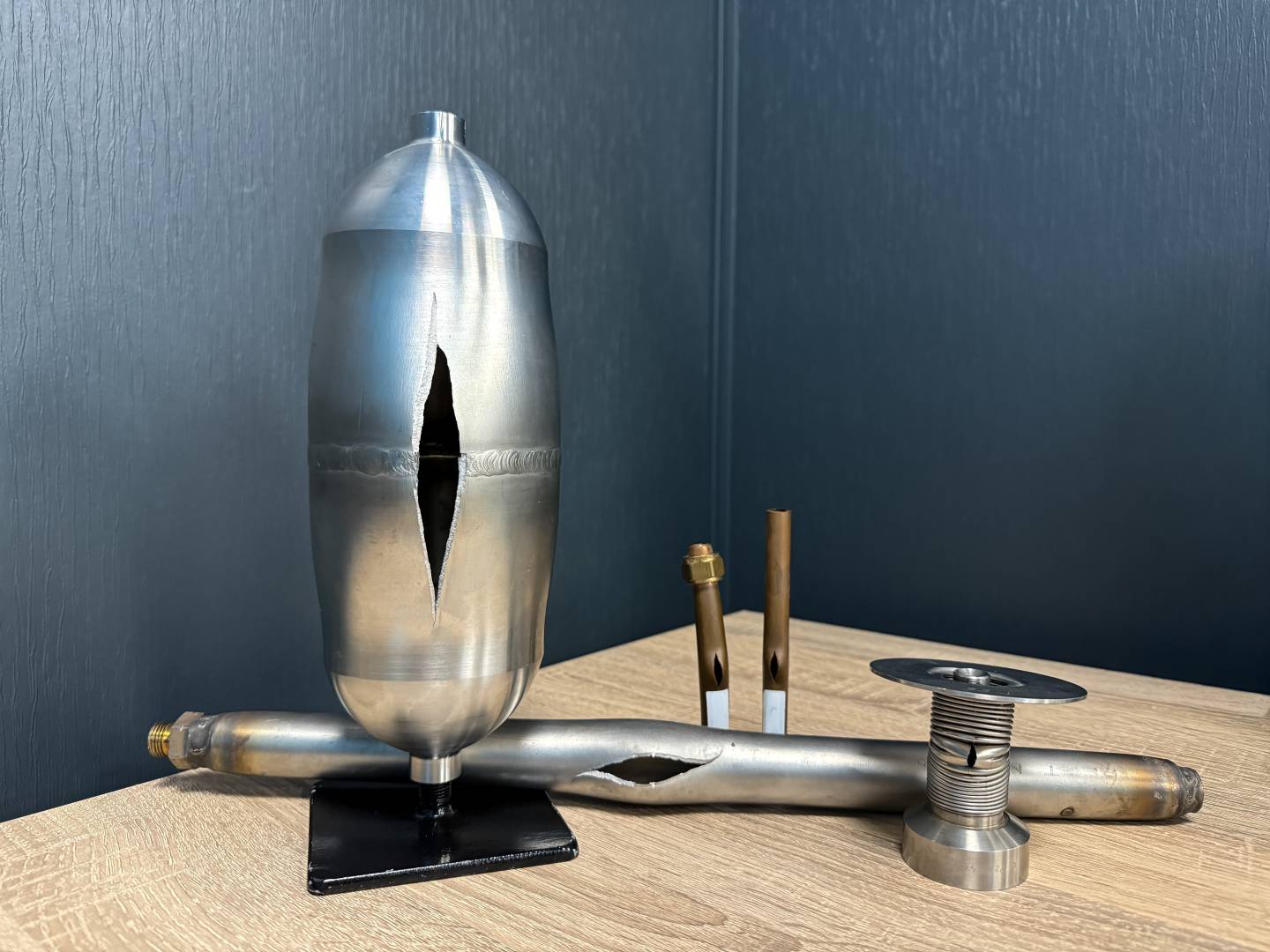
  • Burst tests, in which a test object is deliberately pressurised until failure to determine burst pressure and safety margins in relation to design pressure.

Where possible we evacuate and vent the test object beforehand and fill it carefully, so the volume of residual gas is minimal. That makes the test safer and the pressure response easier to interpret.

Which international standards apply?

ITIS performs pressure tests according to customer specifications and widely used international guidelines for liquid and gas pressure testing. Examples of frequently requested standards and frameworks include:

  • ISO 13445: pressure vessels – verification of strength and reliability with liquid and gas pressure tests.
  • ISO 9809: steel gas cylinders – hydrostatic and gas pressure tests.
  • ISO 14245 & API 598: valve testing for sealing performance with liquid and gas.
  • ISO 5208: pressure testing of valves according to standardised procedures.
  • ASME B31.3: process piping – requirements for pressure testing of piping systems.
  • BS 6364: test methods for valves, hydrostatic and gas.
  • PED 2014/68/EU: European Pressure Equipment Directive – conformity verification with liquid and gas pressure tests.

Burst tests are often part of design and type-approval programmes. A minimum factor between design pressure and burst pressure is usually required.

Results of a properly executed pressure test

A pressure or burst test carried out by an independent party delivers demonstrable added value:

  • Lower risk of failure or leakage during use under (high) pressure.
  • Insight into safety margins by comparing design pressure with measured burst pressure (for burst tests).
  • Independent proof of compliance with international standards and customer or PED requirements.
  • Worldwide acceptance by customers, authorities and certification bodies.
  • Objective results based on calibrated instruments and documented test procedures.
  • Confirmation that materials, welds, joints and designs perform under extreme conditions.
  • Transparency via secure livestream and digital reports in the ITIS Cloud Portal.

Accredited: assurance for you

ITIS is accredited by the Dutch Accreditation Council (RvA) under accreditation number L656. This means certainty for you: our test and measurement results are demonstrably reliable and meet established quality standards.

Thanks to international recognition via the ILAC MRA, results within scope are also accepted worldwide. This avoids re-inspection, speeds up processes and builds confidence with customers, regulators and partners.

You work with an independent party operating under controlled procedures. That delivers clarity, consistency and a solid foundation for your technical and commercial decisions.

At ITIS, it’s simply a given that we offer our customers the best service possible. We understand their needs and desires and are always focused on providing the highest quality service and solutions.

Logo
Logo
Logo
Logo
Logo
Logo
Logo
Logo
Logo
Jeroen De Dobbelaere
Hilde Nieuwdorp
Patrick Van Tol
We are rated on average with: To all reviews
8,9