Overdruk lektest ITIS

During a positive pressure leak test, we safely pressurize a component or installation to verify it is truly leak-tight. Using various measurement methods—ranging from sniffing and pressure decay to accumulation or bubble testing—we quickly determine if leaks exist and quantify their size. This provides a reliable picture of the integrity under the conditions your system will face in practice.

For both end-users and manufacturers, this test offers an objective way to detect leaks early, release installations for operation, and prevent emissions, product loss, or malfunctions. ITIS supports you in selecting the right method and performs the test safely and reproducibly, either in the lab or on-site.

Do you want to start up, restart, or deliver with certainty? A positive pressure leak test at ITIS gives you clarity before your installation goes live!

Would you like an overpressure leak test carried out?

Any questions or want an overpressure leak test? Contact us – we are happy to help!
Ask IRIS

Do you have questions about a overpressure leak test?

Do you have questions about a overpressure leak test? There is no need to call anymore. With our digital specialist ‘IRIS’ you can get an immediate answer to any question you may have about this test. From general information to specific details, simply type in your question and receive a clear and relevant answer right away. For example, you can ask about:

  • Test options and specifications
  • Certifications and standards

Do you have questions about a overpressure leak test? Ask IRIS directly.

What is an overpressure leak test?

During overpressure testing we pressurise the test object internally to a level above atmospheric pressure. Depending on the purpose and the required sensitivity we use:

  • Tracer gas with sniffer probe (helium or H₂/N₂ forming gas) for local leak detection
  • Accumulation under a hood or in a shielded volume when direct sniff measurements are disturbed by ventilation or draughts
  • Pressure-drop or pressure-rise tests for global tightness verification, for example on larger volumes
  • Bubble or water-bath tests (EN 1593) as a quick go/no-go method for larger leaks
  • Ultrasonic testing as a quick screening method on compressed-air or gas systems, or as a pre-check before a helium test

In some cases the process medium itself can serve as tracer gas, for example refrigerants or methane, provided safety, ATEX and environmental regulations allow this and suitable detection equipment is available. We record test pressure, duration, tracer, detection limit and pass/fail criteria in a test plan beforehand, so you know exactly what is tested and how the results will be assessed.

The necessity of performing an overpressure leak test

Overpressure testing allows components or installations to be tested under realistic operating or design conditions. This makes the results representative and enables leaks to be detected at an early stage, even before start-up or restart.

It is important to distinguish between strength tests, such as hydrotests, and gas leak tests. A hydrotest is primarily intended to verify strength and detect major leaks. Water can temporarily mask microleaks, reduce vacuum compatibility, and cause corrosion and contamination. That is why we recommend carrying out the sensitive gas leak test first, using methods such as sniffing, accumulation, or pressure decay testing, followed by the hydrotest if required, with drying and cleaning steps in between. This is especially important for installations that will later operate under vacuum or with critical media.

Who really needs an overpressure leak test?

End users:

Maintenance and operations teams that want to detect leaks and test installations for tightness before commissioning, after maintenance or during operation (for example during restart after shutdown or after modifications).

Manufacturers / suppliers:

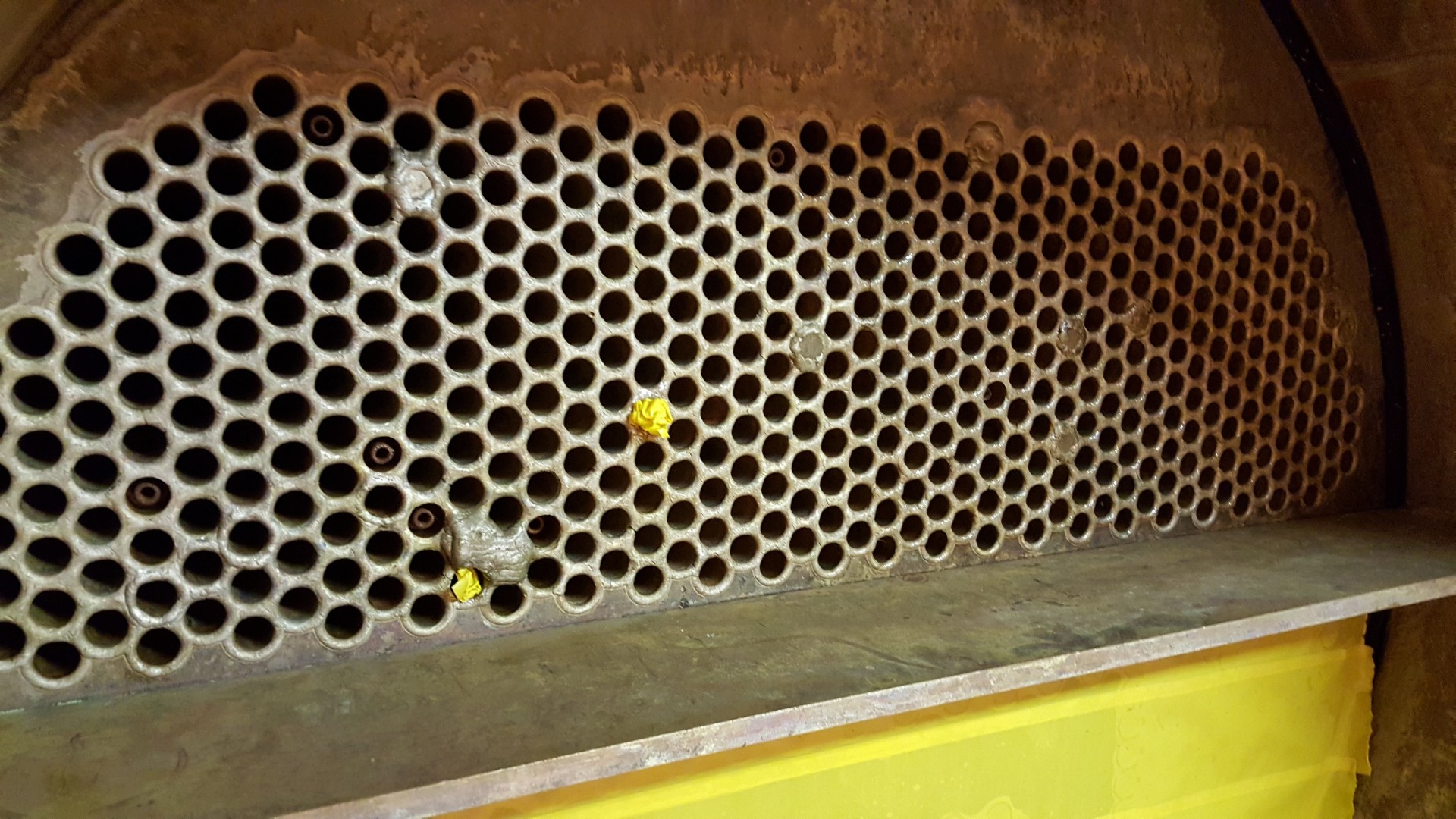
Producers and service companies that want to test their products or projects for tightness under representative pressure and temperature conditions, e.g. valves, heat exchangers, skid units, refrigeration systems or complete modules.

Why industry chooses ITIS

Ervaren technicians, moderne detectietechnieken en aandacht voor veiligheid (PBM, ATEX, TRA en werkvergunningen). We bepalen samen met u de meest zinvolle methode (sniffer, accumulatie, drukval, bubble, ultrasoon), ondersteunen bij voorbereiding en montage/aansluiting en leveren objectieve testresultaten die direct beslissingen ondersteunen over reparatie, acceptatie of vervolgtesten, in ons laboratorium of bij u op locatie.

What does an overpressure leak test deliver for you?

  • Rapid localisation and quantification of leaks in operating situations
  • Representative tests under operating pressure and, where necessary, temperature
  • Fewer failures, emissions and product loss during operation
  • Clear go/no-go criteria for release, start-up and restart
  • Possibility of combined tests, e.g. first a leak test then a pressure test, with a predefined sequence and criteria

Which international standards apply to an overpressure leak test?

For overpressure leak testing we work with, among others:

  • EN 1779 / ISO 20484: method selection and terminology
  • ISO 20485: tracer-gas leak testing (sniffer/hood/chamber)
  • EN 1593: bubble emission (soap-bubble method)
  • ASTM E1603/E1603M: mass spectrometer leak testing
  • ASTM E515: bubble emission tests
  • ASME BPVC Section V, Article 10: leak testing of pressure equipment


Customer specifications and pressure-equipment codes (e.g. PED) can be integrated into the test plan. On request we can help translate a leak requirement in mbar·l/s or g/year into a practical test set-up in the field.

Reporting and Certification

Our test report details the standards/methods, test pressure(s), medium, tracer gas, test duration, detection limits, measurement results, and an assessment against the agreed-upon leak test requirements. Where relevant, overpressure leak tests can be performed under ISO 17025 accreditation, ensuring that results are internationally traceable and accepted by clients, certification bodies, and regulatory authorities.

Accredited: Certainty for You

ITIS is accredited by the Dutch Accreditation Council (RvA) under accreditation number L656. For you, this means certainty. Our test and measurement results are demonstrably reliable and comply with established quality standards.

Thanks to international recognition through the ILAC MRA, results within our scope are also accepted internationally. This prevents the need for re-testing, accelerates processes, and provides confidence to customers, regulators, and partners.

You are working with an independent party that operates according to controlled procedures. This ensures clarity, consistency, and a strong foundation for your decisions, both technically and commercially.

Immediate clarity on your leak test

Immediate clarity under realistic conditions, where relevant under ISO 17025 accreditation, in our test laboratory or at your site, for new builds, before start-up, or after maintenance and modifications.

At ITIS, it’s simply a given that we offer our customers the best service possible. We understand their needs and desires and are always focused on providing the highest quality service and solutions.

Logo
Logo
Logo
Logo
Logo
Logo
Logo
Logo
Logo
Jeroen De Dobbelaere
Hilde Nieuwdorp
Patrick Van Tol
We are rated on average with: To all reviews
8,9