
Backlog in shutdown planning puts valve integrity and compliance under pressure
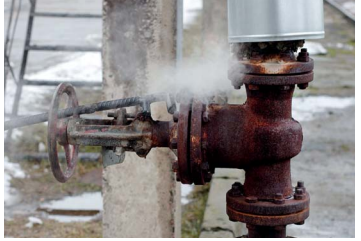
The article shows how shutdowns increasingly derail because planning starts structurally too late and is underestimated. Colin Zegers explains that he is often brought in only a few months—or even weeks—before a scheduled outage, making crucial steps such as valve selection, in-situ repair, workshop capacity, transport and spare-parts availability unmanageable. The result: unexpected delays, higher costs, and a higher risk of failing valves, in-line leakages and non-conformity—especially at plants where maintenance intervals have been extended and process media have changed over time. These risks often surface only during in-situ valve testing. In practice, valves are frequently not correctly specified for all possible media, materials or Cv-values; corrosion, seized trunnion-mounted ball valves and fugitive emissions are the direct consequences, undermining plant reliability and safety.
Zegers sees the solution in early technical audits, strict application of international standards and independent expertise during shutdowns. Testing to ISO 5208 and API 598 is essential for verifying seat leakage and functional performance of on/off valves, while ISO 15848-2 is critical for controlling fugitive emissions and external leakage after overhaul. By consistently applying these standards and having valve testing, fugitive-emission tests and inspections supervised by an independent specialist such as Zegers, asset owners regain control over QA/QC, lead time and compliance. His role as independent auditor and controller during shutdowns underlines the value of specialist knowledge that goes beyond execution alone and is decisive for safe, reliable and future-proof operations. Anyone who wants to understand why this makes the difference between manageable execution and disrupted downtime should read the full article.
Do you have any questions or would you like to use our services? Contact us directly; we’re happy to help!