
TA Luft certificate requested. Supplier report rejected.
A chemical company in the Ruhr region had worked with the same suppliers and the same valves for years, without any issues. Until the Environmental protection authority came by for a permit renewal and asked for something the company could not deliver: an independent, accredited test certificate.
The revised TA Luft, mandatory from 2026, requires that valves in process lines containing VOCs must meet the state of the art in emission reduction. As the reference standard, TA Luft uses ISO 15848-1, which defines the test method and measurement procedures. The leak limits set by TA Luft itself are divided into classes, and must be demonstrated through testing by an accredited, independent laboratory.
The certificates the company had on file were all produced internally by the supplier. The authority did not accept them, and without valid documentation, the permit could not be granted.
Six weeks later
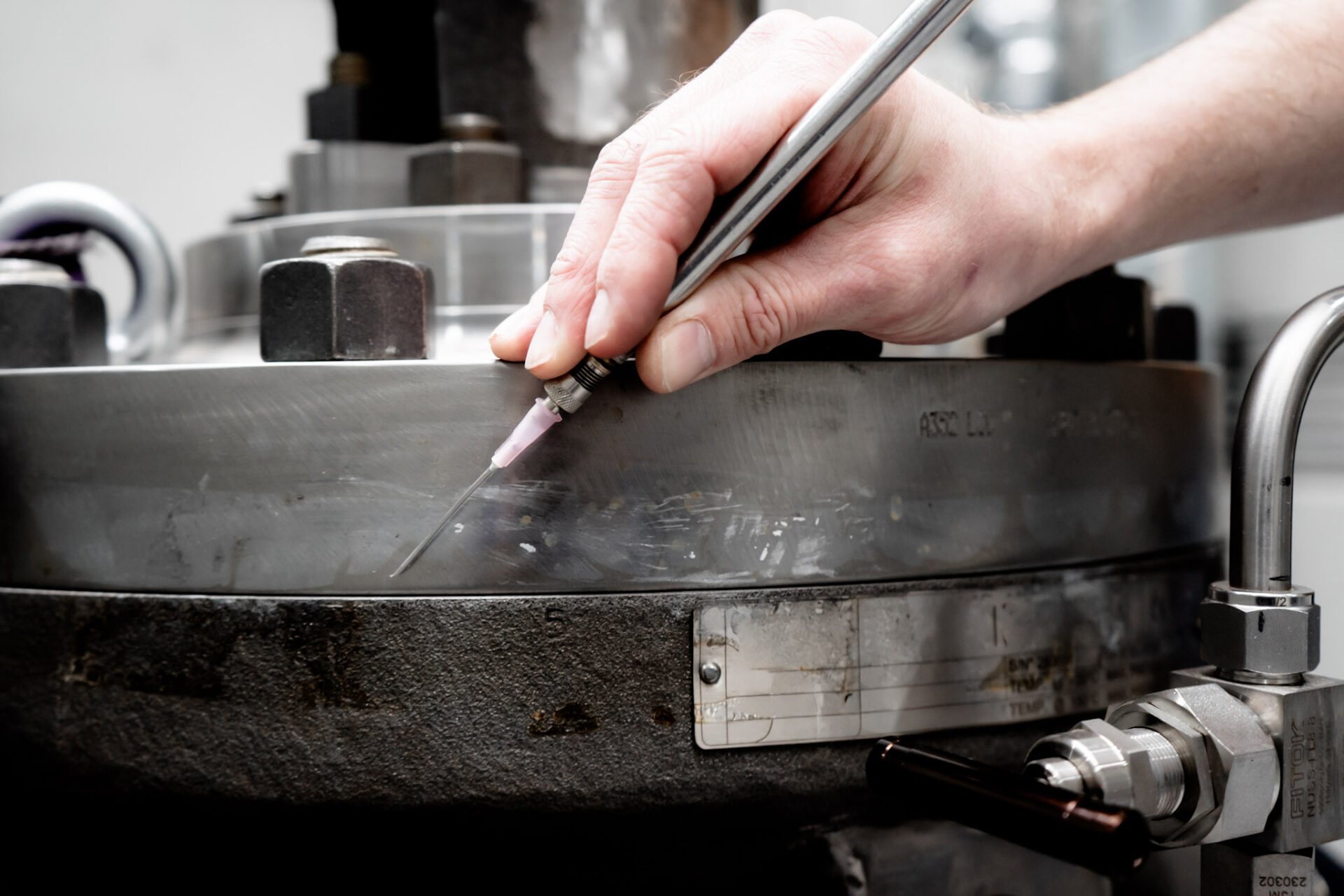
Through their Dutch parent company, they ended up at ITIS. Three valve types were submitted for independent testing in accordance with ISO 15848-1, using the TA Luft leak limits as the benchmark. Two types immediately met class LA requirements. The third fell just outside that class during the higher temperature cycle, not a visible problem in the installation, but measurable, and therefore not acceptable under TA Luft requirements.
The supplier adjusted the packing material. A retest confirmed that the valve then met class LA. Within six weeks of the first contact, the company had three valid, accredited certificates on the table. The permit was granted.
This is a widespread issue in Germany
What this company experienced is not an exception. Since 2026 became the deadline, we have seen a significant increase in enquiries from Germany at ITIS. Many companies have been working for years with documentation that was perfectly accepted internally, but that no longer holds up. The message from German regulators is clear: a supplier declaration is not a certificate. While TA Luft does not require every individual valve to be tested separately, regulators and clients do expect you to be able to demonstrate that you follow the state of the art, with an independent test as proof.
The consequences vary. Sometimes a permit is not granted. Sometimes a valve is rejected in a tender process because the certificate is missing. Sometimes it comes to light during an LDAR audit, at the moment you least expect it.
Want to know what your situation requires? Visit our website or get in touch directly. We are happy to help.
Do you have any questions or would you like to use our services? Contact us directly; we’re happy to help!