

ISO 12101 shifts the focus from valve compliance to demonstrable sealing performance
The article explains that fugitive emissions arise not so much from missing regulations as from a structural lack of insight into the actual performance of stem seals. In practice, seals are still too often assessed on the basis of individual standards, laboratory setups or data-sheet claims that fail to account for installation influences, packing compression, gland follower torque and thermal loads. As a result, leakages occur at temperature and pressure conditions that are formally considered acceptable, with direct consequences for safety, environmental impact and compliance with increasingly stringent VOC legislation. These performance differences are made tangible and measurable with fugitive emission tests under realistic loads.
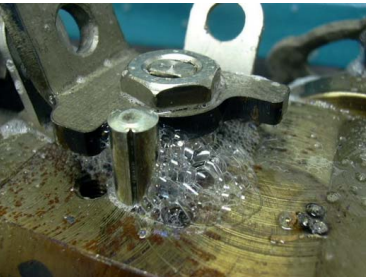
ISO 12101 positions itself as the necessary answer by putting stem seals centre stage and making their performance measurable, comparable and reproducible. The standard introduces realistic test conditions with temperature cycles, pressure loading and tracer gases such as helium and methane, and directly links leak-tightness and endurance classes to the requirements of ISO 15848-1. As initiator and team leader of ISO/TC 153 WG5, Colin Zegers shows how this approach allows manufacturers, end users and regulators to manage emission risks on the basis of evidence instead of hope. Anyone wanting to understand why this standard is a real game-changer will find indispensable depth in the full article.
Do you have any questions or would you like to use our services? Contact us directly; we’re happy to help!