
Fire Safe Certification Fails When Procedures and Scope Overlap
The article makes it clear that fire-safe testing is becoming increasingly important as safety and environmental requirements tighten, yet knowledge of the correct application is seriously lacking. Colin Zegers explains how manufacturers and end users frequently demand fire-safe certificates without understanding which procedure applies to which component. Standards such as API 607, API 6FA, API 6FB, API 589 and ISO 19921 each test a different part of the system, from complete valves to stem seals or end connections. In practice this confusion leads to situations where only one part is tested for fire safety while the complete assembly can still fail in a fire because of unsuitable gaskets, flange connections or thermal expansion—with major safety and emissions risks as a result. These system weaknesses become visible only when a fire-safe test is carried out on the full assembly under fire conditions.
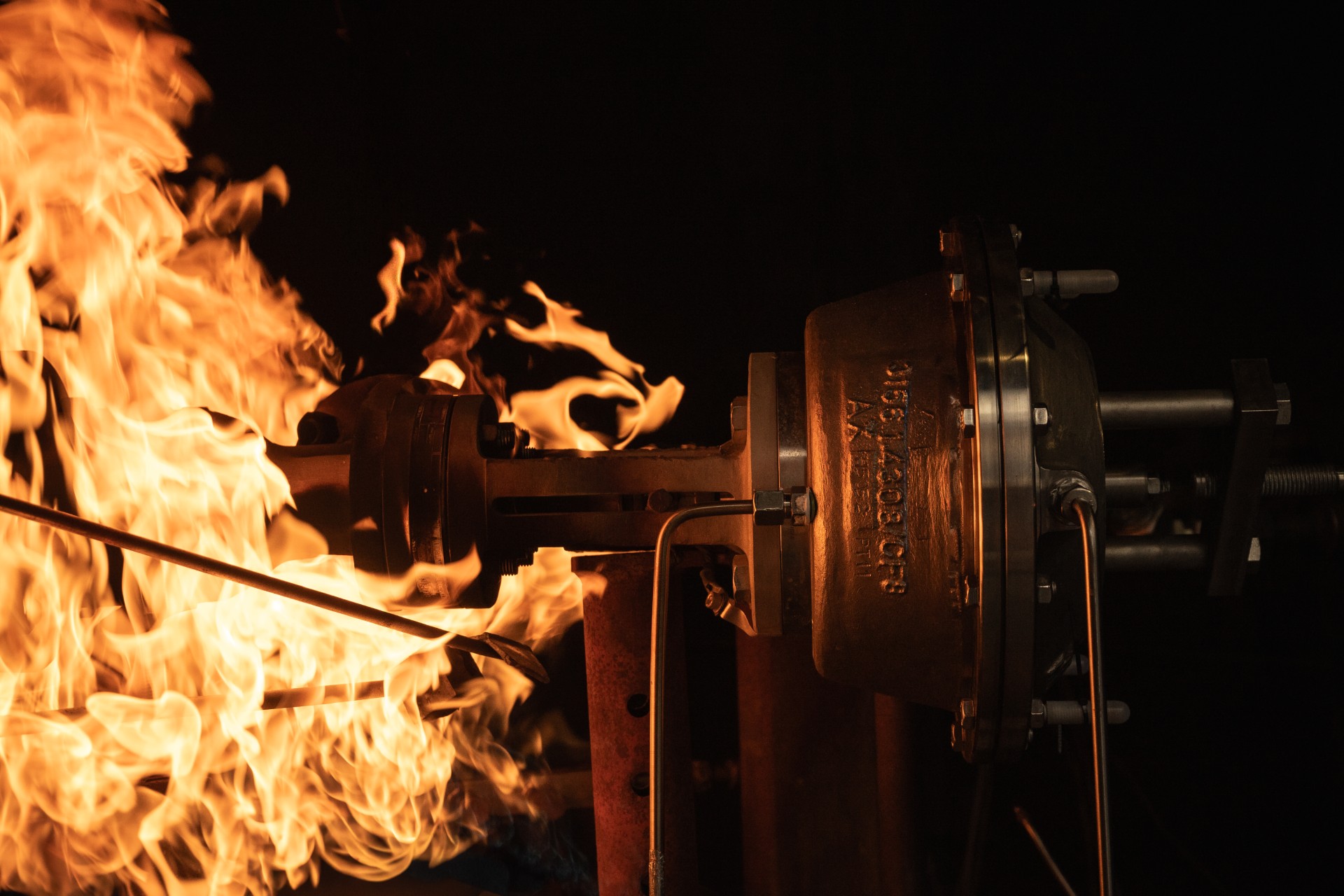
From his position as an independent testing expert, Zegers argues that a holistic approach to fire-safe testing is indispensable for achieving real safety. Correctly selecting and applying the right standard—matched to the component type and operating conditions—is essential to avoid a false sense of security. Fire-safe performance must always be assessed as a whole, with the weakest link determining failure. Anyone who wants to understand why fire-safe testing is more than ticking off a certificate, and why knowledge of standards is crucial, will find in the full article insights that have a direct impact on design, purchasing and operational safety.
Do you have any questions or would you like to use our services? Contact us directly; we’re happy to help!